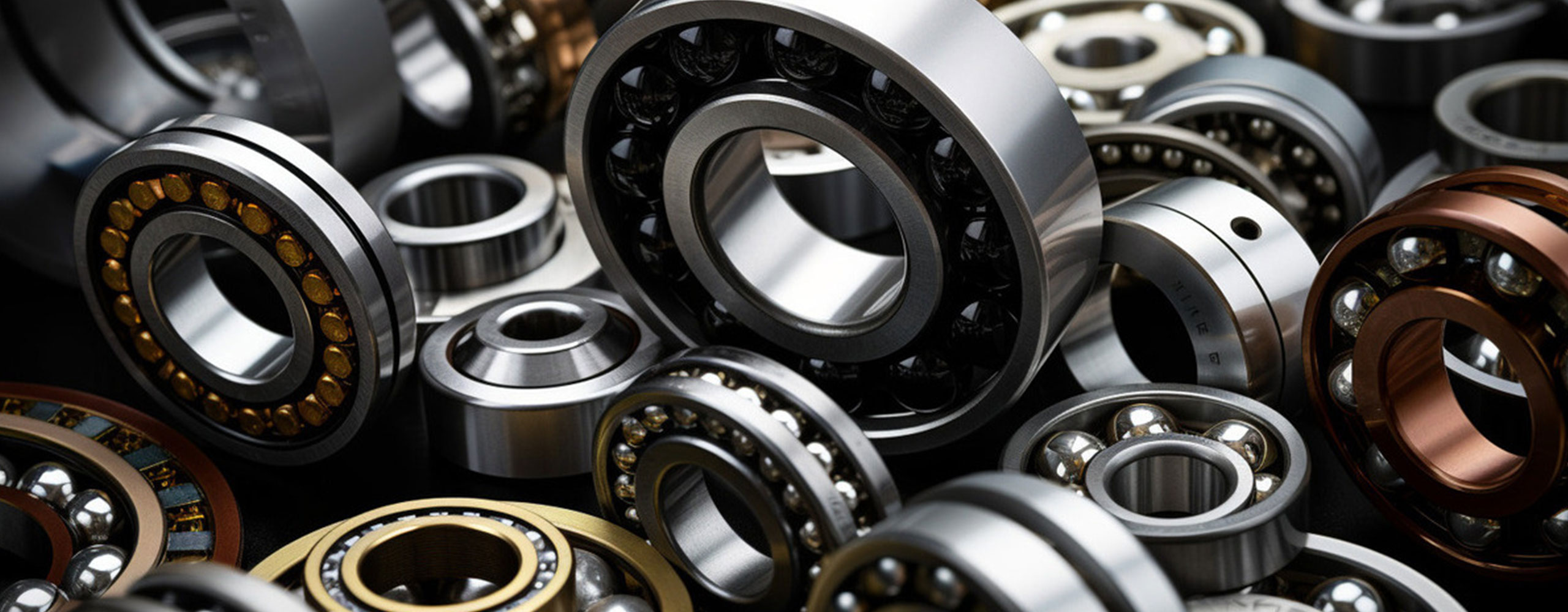
Bearings are fundamental components in mechanical systems that support rotational movement. They enable moving parts to operate efficiently by providing low friction and reducing wear.
They have a wide range of uses—from industrial machines to automotive systems, and from aviation to everyday applications. Their diverse designs adapt to varying loads and speeds, optimizing performance. With their durability and precision, they contribute to the long life and trouble-free operation of mechanical systems.
A bushing is a cylindrical machine element used between two moving parts to reduce friction, prevent wear, and guide motion. It is generally a simpler and lower-cost alternative to bearings.
Bearings are classified into various types based on their applications and load carrying capacities:
- Ball Bearings: Provide low friction and high speed capacity. There are types such as deep-groove, angular contact, thrust ball and self-aligning ball bearings. Their ability to carry both radial and axial loads makes them common in automotive, industrial machinery and electric motor applications. They adapt to different operating conditions via sealed or open designs.
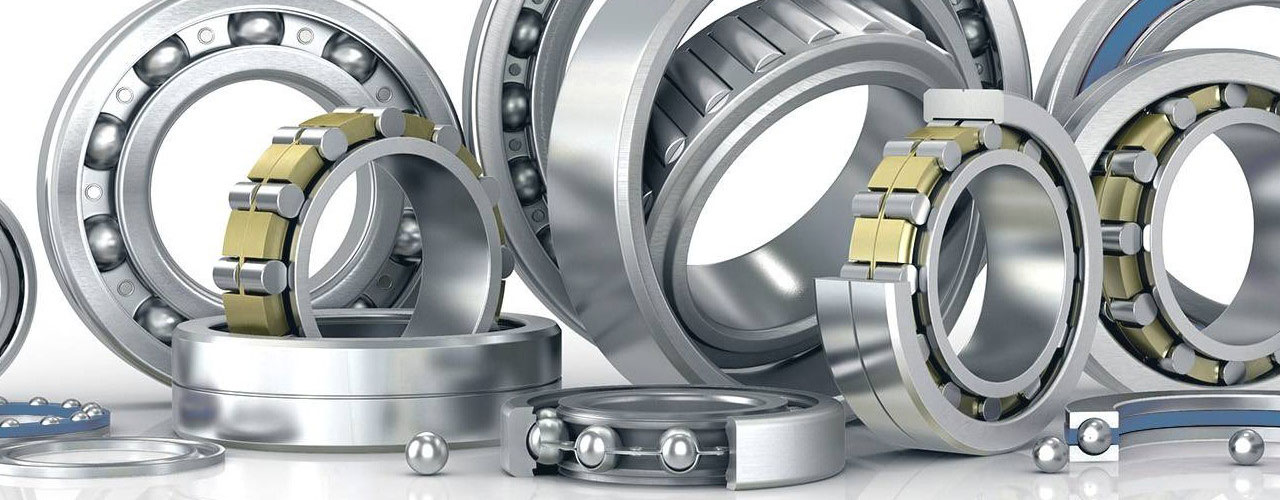
- Spherical Roller Bearings: These bearings carry heavier loads and offer high durability. Two-row spherical rollers between the inner and outer rings allow for compensation of shaft misalignment and more stable operation. Because of these features, they are widely used in heavy industry applications like mining, steel production and large machines.
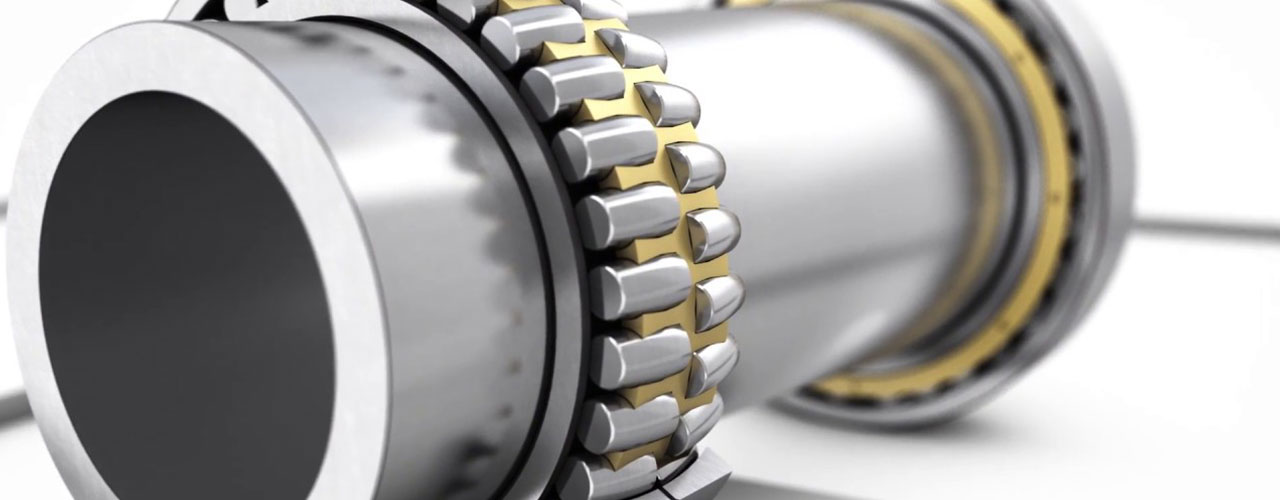
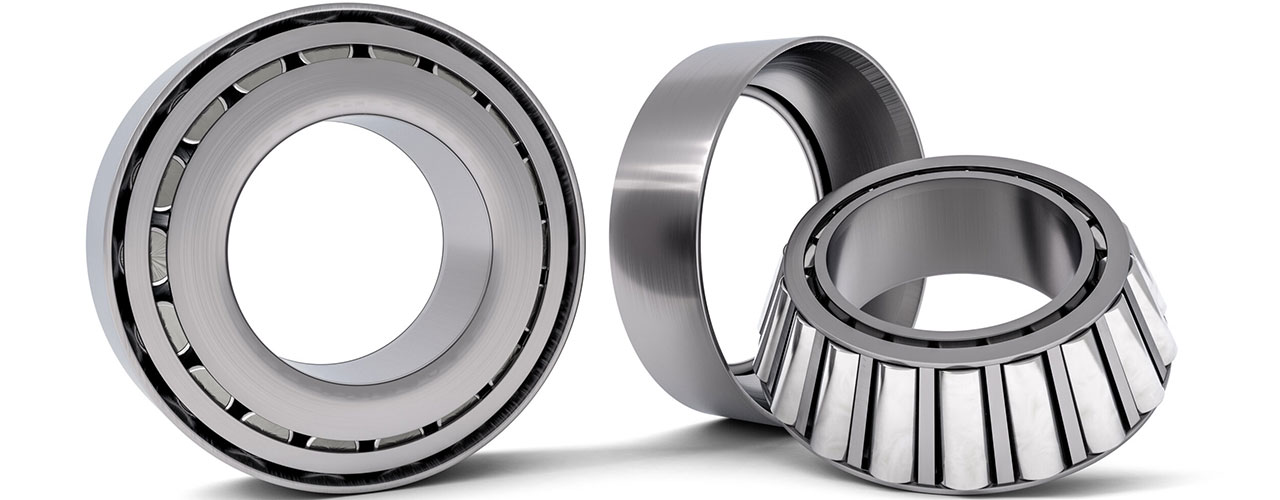
- Tapered Roller Bearings: Designed to carry radial and axial loads simultaneously. The conical rollers distribute loads over a wider surface for high durability. Available in single-row, double-row and four‐row designs; commonly used in automotive, heavy industry and mining.
- Cylindrical Roller Bearings: Stand out with high radial load capacity and low friction. They can be single‐row or multi‐row. They are suitable for high-speed operation. Flanges on inner and outer rings support axial loads and increase bearing stability. Available in sealed or open designs to suit different operating conditions. Used broadly in industrial machinery, automotive and heavy industry contexts.
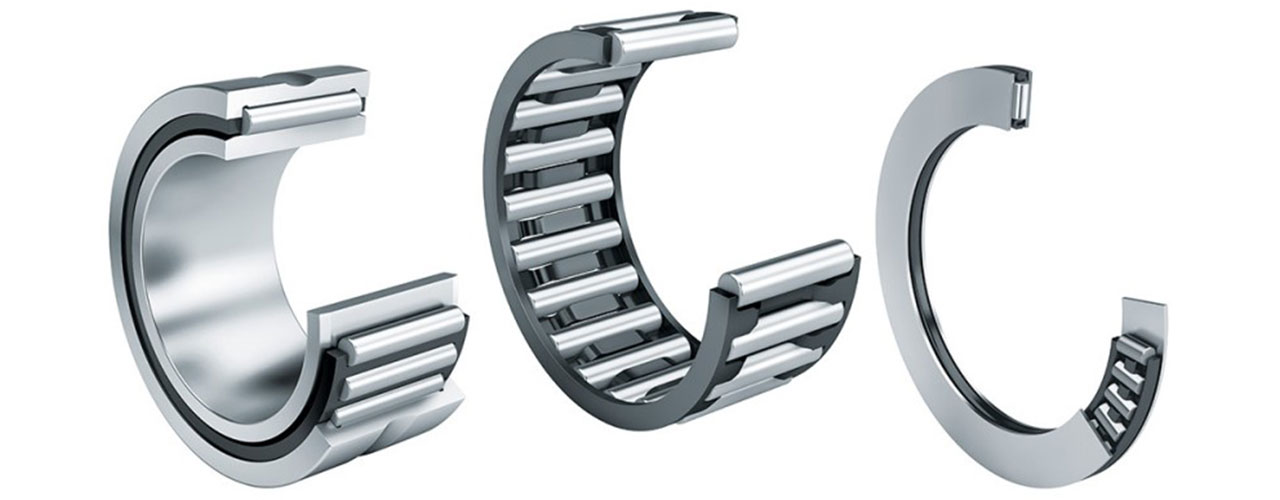
- Needle Roller Bearings: Compact bearings with thin, long cylindrical rollers, offering high load capacity. Their low profile makes them effective in tight spaces. Designed primarily to support radial loads. Commonly used in transmissions, air compressors and gearboxes. Caged or full‐needle designs adapt to different speed and load requirements.
- Self-Aligning Bearings: Bearings that can operate at angular misalignments and accommodate shaft deviation.
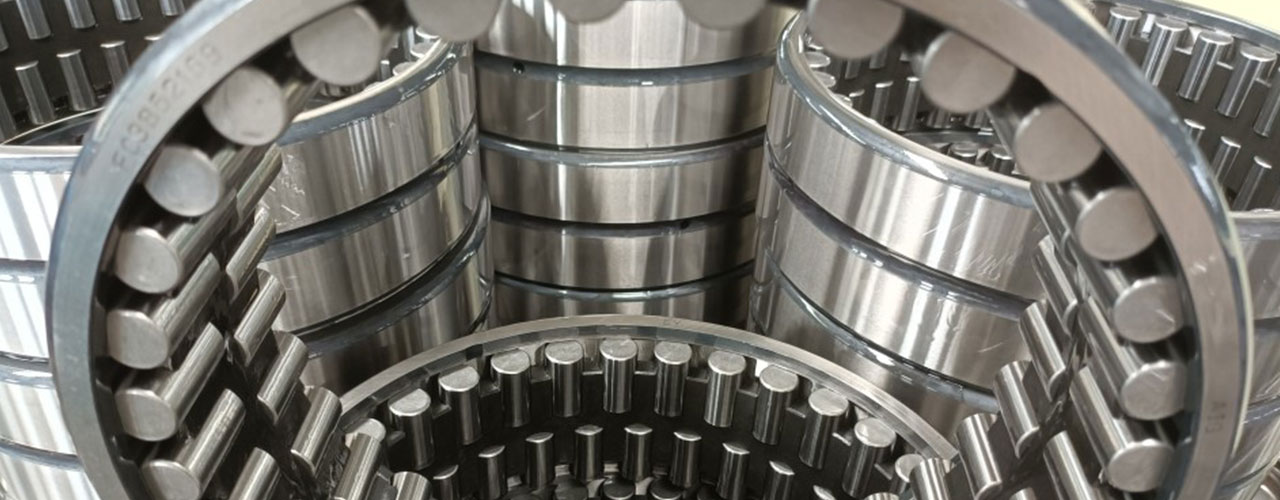
- Mill Bearings: Special bearings capable of handling heavy loads and high temperatures. Often used in steel production and metal-forming industries. Four-row cylindrical roller bearings and tapered roller bearings are commonly used in rolling mills. These bearings offer high durability, low friction and long life, aiding efficient rolling operations. They are also protected with special lubrication systems to minimise wear and thermal effects.
- High-Temperature Bearings: Special bearings that can operate at high temperatures. Because standard bearings may expand or deform at high heat, these bearings are made of heat-resistant steel, ceramic or special coatings. With special lubrication systems or dry-running coatings, they can resist temperatures ranging from ~300 °C to ~1000 °C.
- Thin Section Bearings: Compact and lightweight bearings that offer high performance in tight spaces. Available in designs such as fixed ball, four-point contact and angular contact. Their fixed section design allows higher load capacity without changing the shaft diameter. With low friction and high precision, they are widely used in robotics, aviation and medical devices.
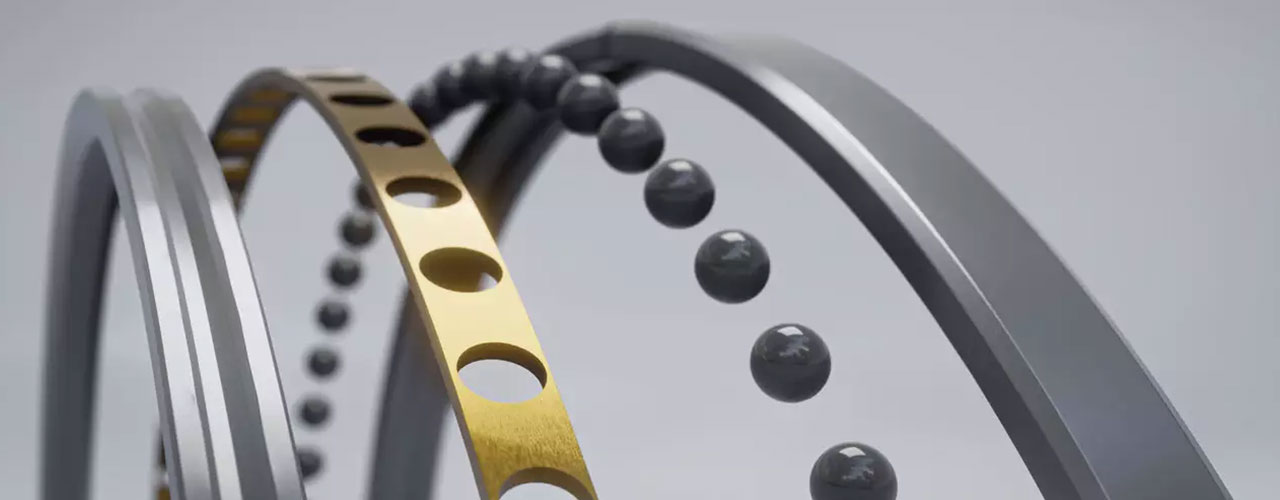
- Ceramic Bearings: Special bearings resistant to high temperature, corrosion and wear. There are two main types: full-ceramic and hybrid ceramic. Full-ceramic bearings are made from materials such as silicon nitride or zirconia, while hybrid ceramic bearings use steel races with ceramic balls. Their low weight, high speed capability and electrical insulation properties make them common in aerospace, medical devices and high-performance machines.
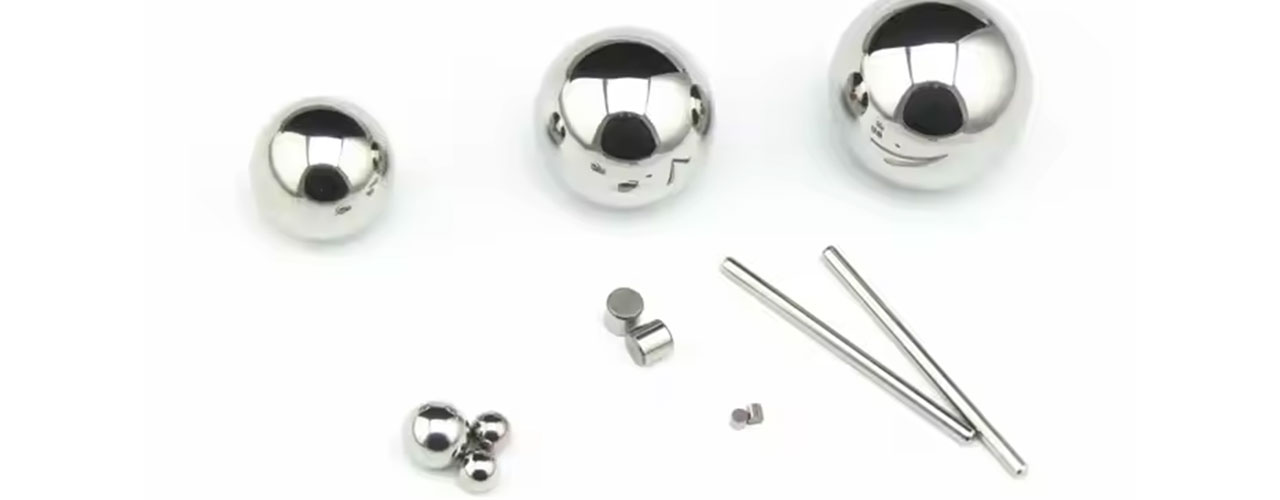
- Balls & Rollers: Balls and rollers are two commonly used components in mechanical systems. A ball is a small round element made typically from steel, ceramic or plastic. In bearings, balls reduce friction and facilitate motion. A roller is cylindrical and used to increase load capacity in needle bearing and roller systems. These parts play a critical role in industrial machines, automotive, aviation and precision mechanical systems.
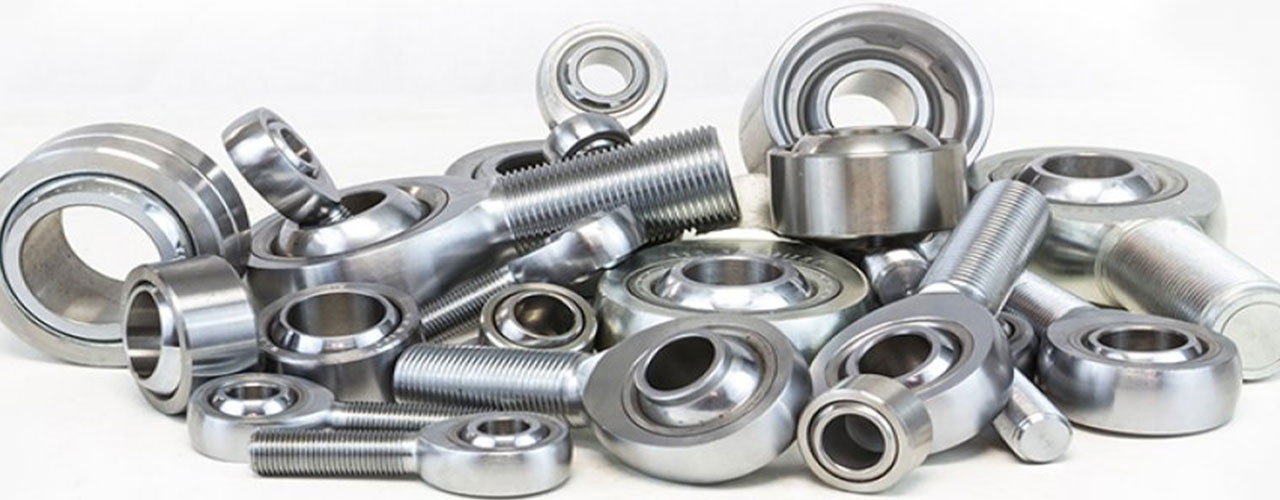
- Joints & Rod Eyes: Joints and rod eyes are components that provide movable connections in mechanical systems. A joint allows two parts to rotate or move angularly relative to each other. Rod eyes, typically a metal ring or socket, are used to connect a shaft with another component. They transmit force and motion smoothly in automotive and industrial applications. These components offer high durability and long life, contributing to efficient machine operation.
- Sleeves & Bearing Assemblies: Sleeves and bearing assemblies are important components that enable connection and motion transfer in mechanical systems. Sleeves are elements that strengthen the connection between the shaft and the bearing. There are various types, such as tension sleeves, tapered sleeves and locking sleeves. Bearing assemblies include parts that support the efficient operation of bearings—nuts, washers, couplings and housings play a critical role in bearing mounting and stability. These components are widely used in industrial machinery, automotive and heavy-industry applications.
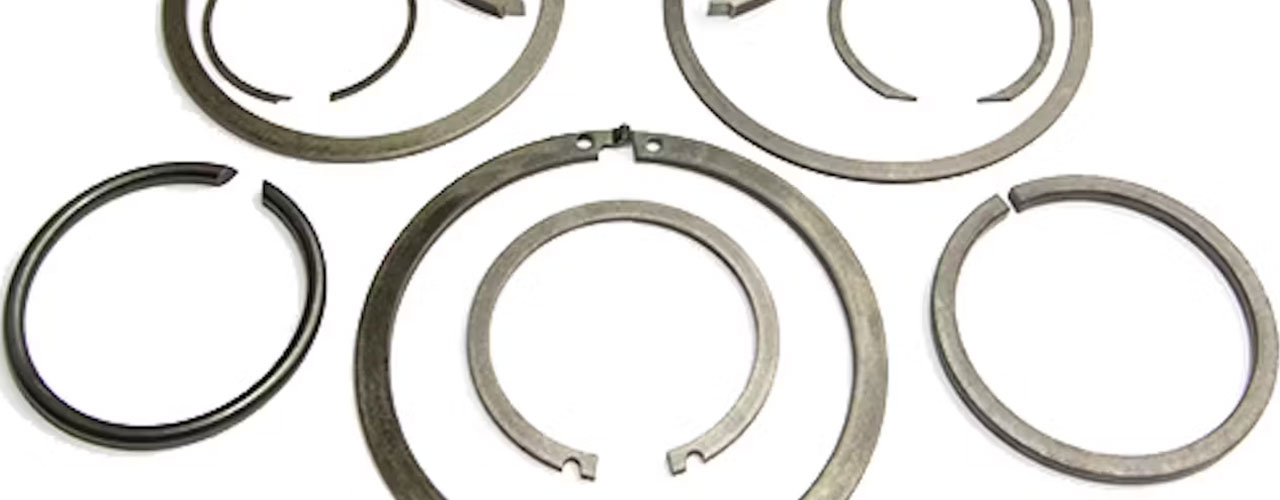
- Lock Rings (Retaining Rings): Retaining rings are mechanical components used to limit and fix the axial movement of bearings. They reduce the clearance between the shaft and the housing, ensuring stable bearing operation. Typically made of steel or bronze, they are common in industrial machines, automotive and heavy-industry settings.
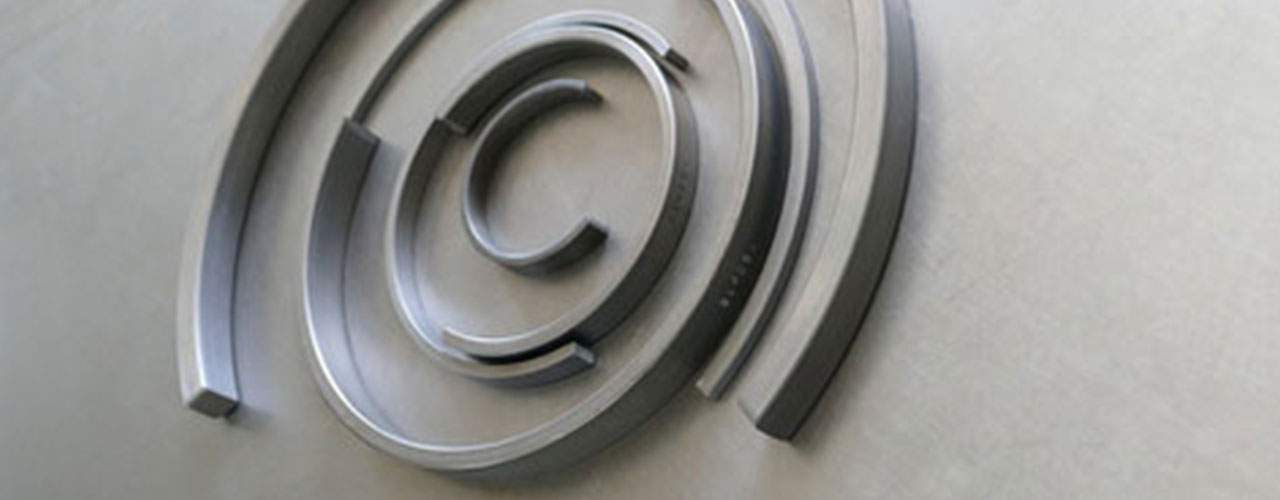
- Seals: Seals are ring-shaped flexible metal components that provide sealing between the piston and cylinder. Used in engines, hydraulic systems and machine parts. Compression rings prevent gases from leaking into the crankcase while oil rings scrape excess oil from the cylinder surface to ensure smooth piston operation. Seals are usually made of cast iron or steel and enhanced with chrome, phosphate or molybdenum coatings to increase wear resistance.
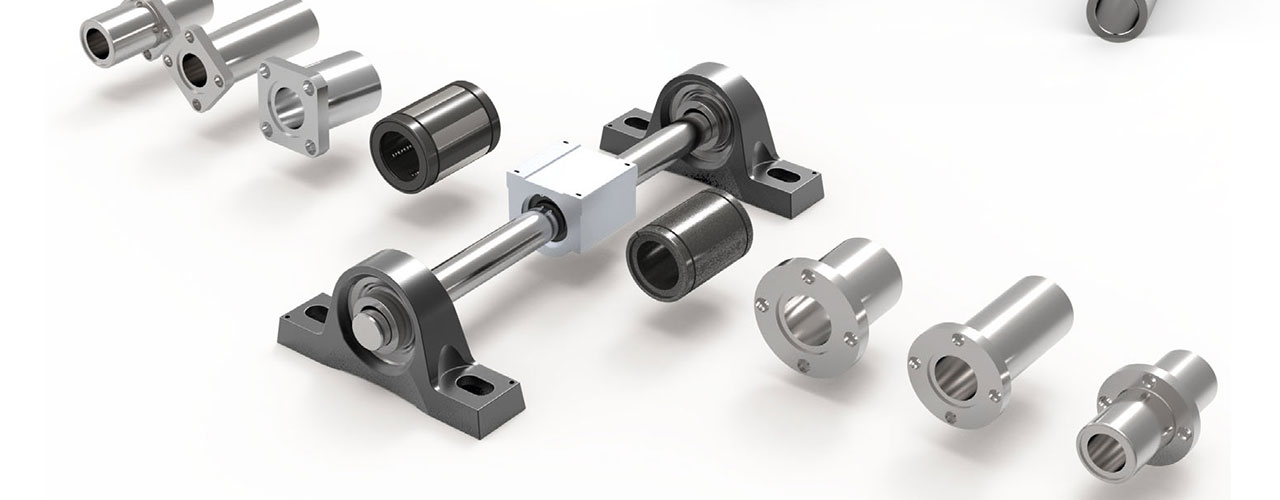
- Linear Bearings & Guides: Linear bearings and guides are mechanical components that enable precise, low-friction linear motion. Commonly used in CNC machines, robotic systems, 3D printers and automation lines. Linear ball bearings: precise, low-friction bearings for linear motion. Roller linear guides: higher load capacity, preferred in heavy-industry machines. Plain linear guides: glide on lubricated or polymer-coated surfaces, and are durable in dusty environments. Mini linear guides: used in small-sized machines and micro-automation systems.
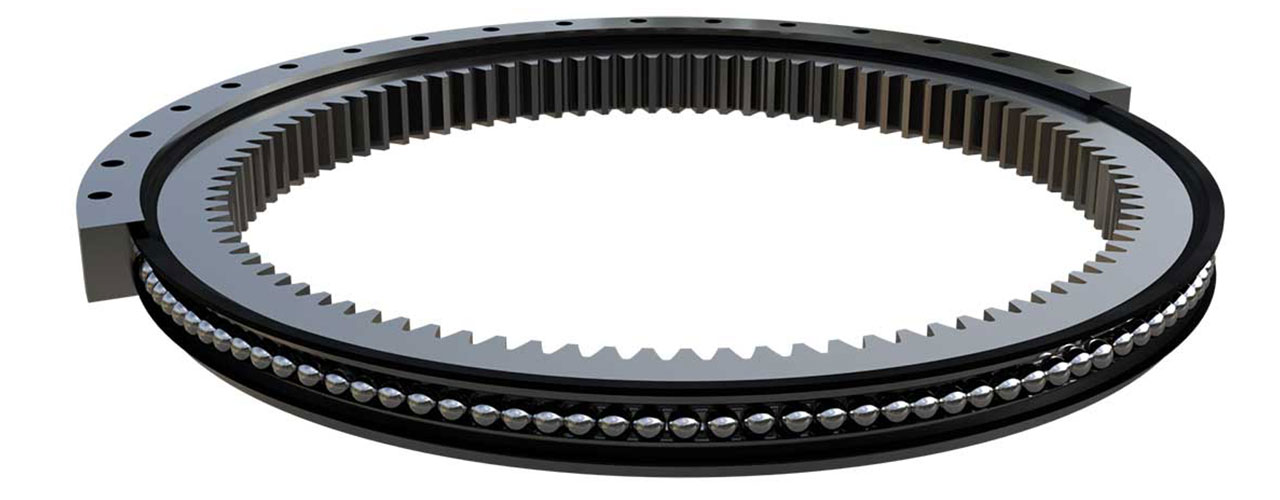
- Table Machine Bearings: Table machine bearings are special bearings designed for applications requiring high precision and heavy load capacity. Turntable bearings can carry axial and radial loads simultaneously and are widely used in CNC tables, milling machines and industrial automation systems. These bearings offer high rigidity, low friction and long life, contributing to efficient machine operation.
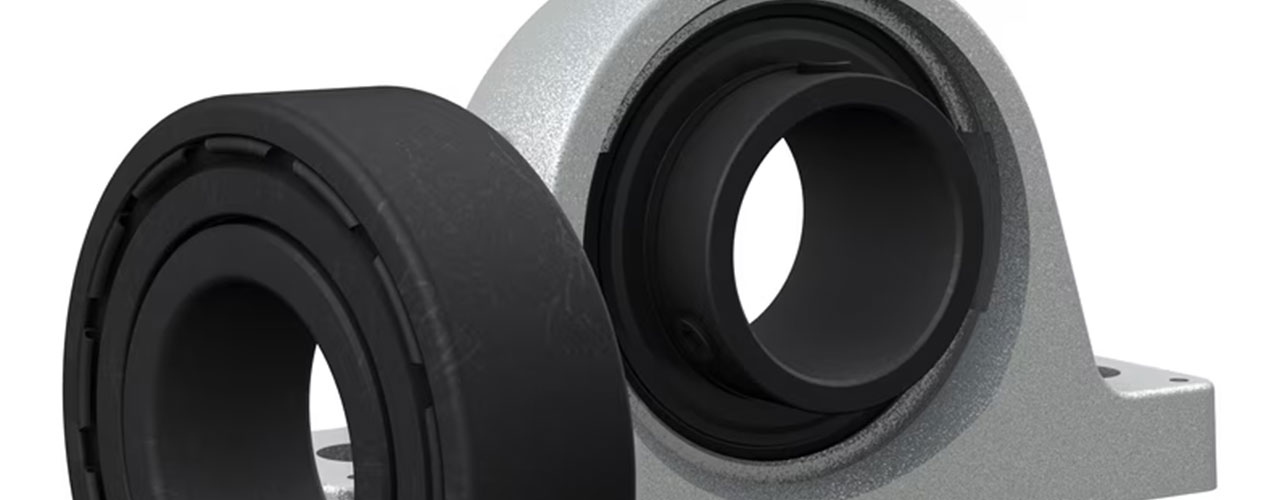
- Mounted Bearings: A mounted bearing is a ready-to-use power transmission component where the bearing is integrated in a housing (unit). Thanks to this design, the bearing can be mounted easily without anchoring directly to the machine body. It supports rotational movement and also offers ease of mounting, alignment flexibility and maintenance advantages.
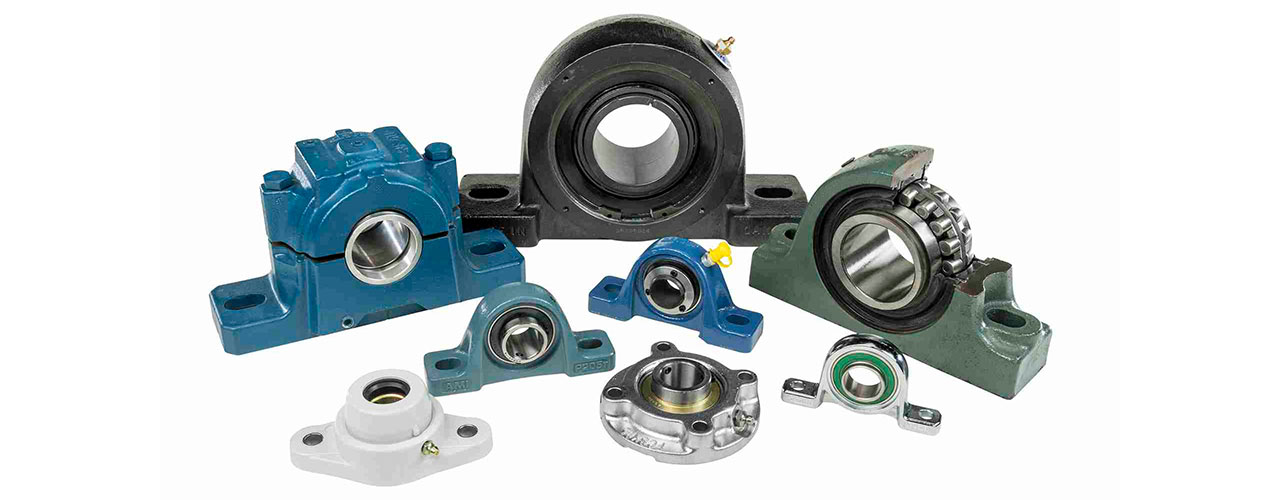
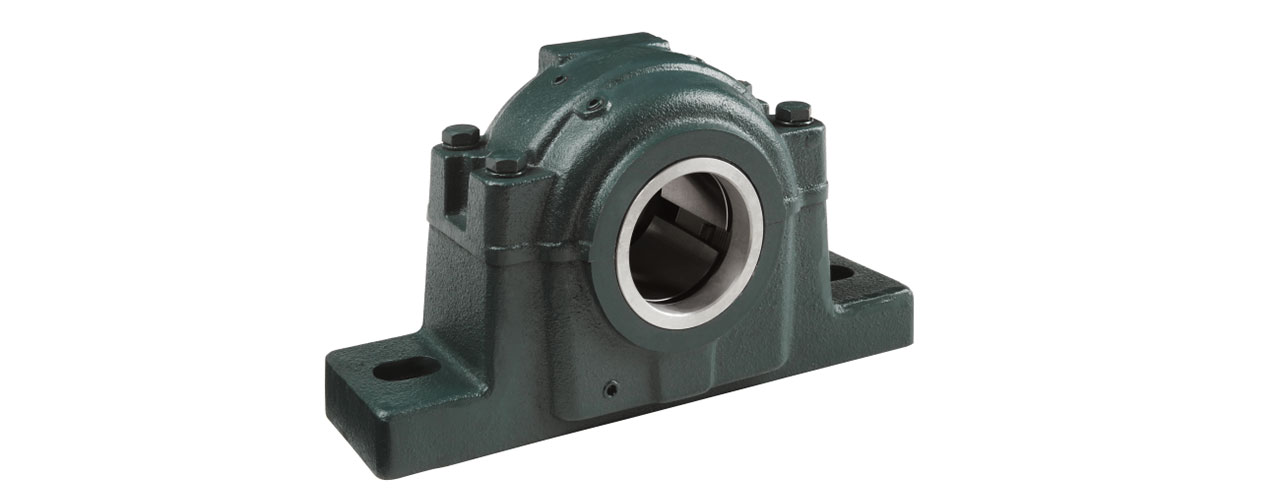
- Cast Bearing Housings: Cast bearing housings are durable housing units made of cast iron which hold bearings and enable their mounting to the machine body. They are commonly used in mounted bearing systems and are especially selected for applications with heavy loads, harsh environments and long life demands.
Each bearing type is optimized for a specific application and should be chosen according to the usage area. We can assist you immediately in identifying the bearing type suitable for your needs!
We have access to all kinds of types from all sources upon your need:
- China
- USA
- India
- Netherlands
- Germany
- United Kingdom
- Italy
- China
- Italy
Bearings are mechanical components designed to support rotational movement. With balls or rollers placed between the inner and outer rings, they minimise friction and enable more efficient operation of moving parts. Bearings operate by carrying axial or radial forces to facilitate rotational motion. With lubrication and precision manufacturing, they last longer and enhance machine performance. Used across many areas—from automotive to industry, aviation to everyday devices.
How a Bushing Works?Bushings are placed between a rotating or sliding shaft and a fixed body. During the shaft’s motion, the bushing provides a low-friction surface between the shaft and the housing. By creating a sliding surface, it prevents wear, reduces vibration and noise, and directs motion.
- Industrial
- Automotive
- Textile
- Defence Industry
- Cement
- Mill